
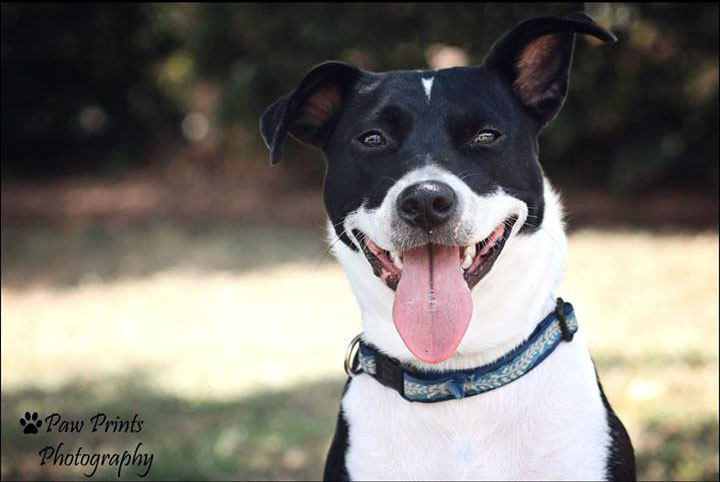
Sissy is a kissy, year-old female Terrier mix who loves her doggie pool. She’s available for adoption from BARC Humane Society in Valdosta, Ga.
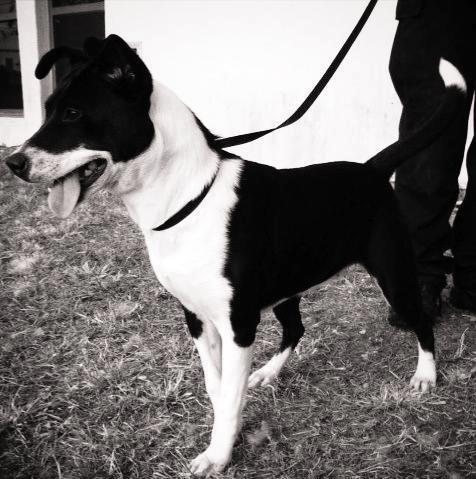
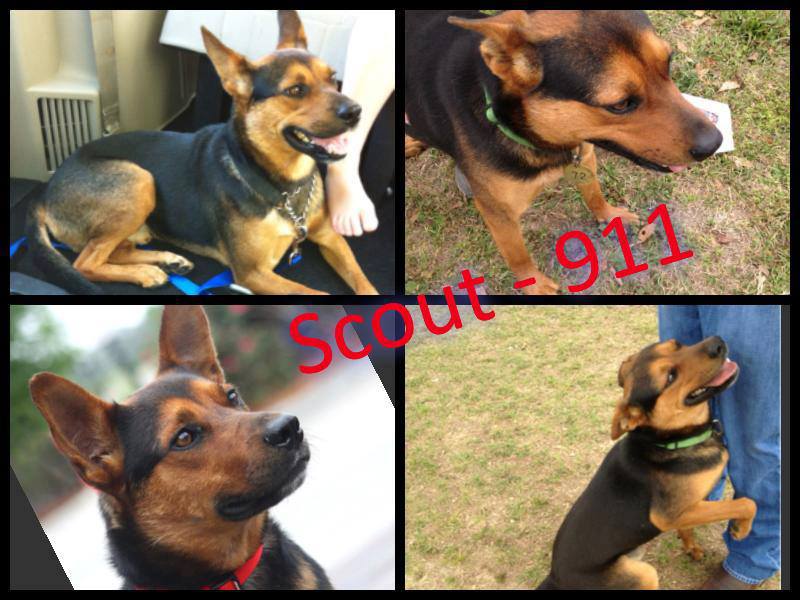
Scout is a one-year old male German Shepherd mix who is heartworm-positive, but currently undergoing treatment. He’s house-broken, crate-trained and currently living with four other dogs in his foster home. His vocal cords were clipped and his bark sounds like a soft cough. Scout is available for adoption from BARC Humane Society in Valdosta, Ga.

Sally is a young, female Lab mix who is crate-trained, mostly potty-trained, good with kids, has a sweet disposition and loves toys and car rides. Sally is available for adoption from BARC Humane Society in Valdosta, Ga.
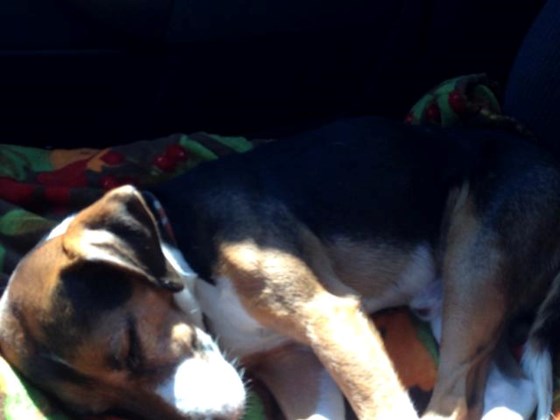
Lucky, above, is a Beagle who was hit by a car and his hip broken in two places. His owner couldn’t afford his care and surrendered him. Two women got Lucky into a vet and he’ll receive surgery and a needed course of heartworm treatment. But the surgery and treatment are costly and they’re asking for your help. Please click here to donate online for Lucky’s veterinary bills or you may call the vet office directly, the number is 502-477-1499 and the name on the account is Elizabeth Gill and/or Tina Deno.
Mrs. GaPundit, who compiled today’s adoptable dogs, raised the question of what it means to have a dog’s vocal cords clipped and why it would be done. So here’s a little bit about the procedure from a New York Times article.
The surgery usually leaves the animal with something between a wheeze and a squeak. The procedure, commonly referred to as debarking, has been around for decades, but has fallen out of favor, especially among younger veterinarians and animal-rights advocates.
Critics of the debarking procedure say it is outdated and inhumane, one that destroys an animal’s central means of communication merely for the owner’s convenience. Many veterinarians refuse to do the surgery on ethical grounds. Those who do rarely advertise it.
New Jersey bans devocalization surgery except for medical or therapeutic reasons, as do Britain and other European countries. Similar legislation is pending in Massachusetts, while Ohio restricts the surgery to nonviolent dogs.
But there are still those who perform the operation, and they and other advocates defend the surgery as a useful option for dog owners facing noise complaints and possible eviction.
Dr. Sharon L. Vanderlip has been performing debarking surgeries for more than 30 years as a small part of her veterinary practice in San Diego County. She calls herself a “big, big, big proponent” of the procedure if it is done the right way, for the right reasons.
“They recover immediately and they don’t ever seem to notice any difference,” she said. “I think that in certain cases it can certainly save a dog from ending up being euthanized. If properly done, they behave totally the same afterwards and don’t seem to have any health problems.”
“Debarking is not a medically necessary procedure,” Dr. Klausner [of Banfield pet hospitals] said. “We think it’s not humane to the dogs to put them through the surgery and the pain. We just do not think that it should be performed.”
The American Veterinary Medical Association recommends that the surgery only be done “after behavioral modification efforts to correct excessive vocalization have failed.”
Macon lawyer Teresa Saggese Mills donated nine oxygen masks kits designed for dogs and cats to Macon fire and police in order to equip them for saving pets that asphyxiate in house fires or otherwise.
Assistant Fire Chief Shane Edwards said training for emergency medical technicians on how to use the new equipment will begin this week.
Recently, he said, one of his firefighters performed CPR on a dog found at the bottom of a swimming pool. The dog survived. Edwards didn’t have numbers on how many pets die due to fires each year, but he acknowledged “it happens far too often.”
Saggese Mills, who owns two cats, cited Mahatma Gandhi as an inspiration for supporting the cause, delivering one of his famous quotes. “The greatness of a nation can be judged by the way its animals are treated.”
Related Posts
 Sen. Judson Hill: Capitol News Session Weekly Update # 5
 PortSide: Container growth continues at GPA | BiS | Business in Savannah News
 Eugene Yu trades Senate bid for 12th Congressional District
- Land acquisition, ethics policies changed following special grand jury investigating land deals | Gwinnett Daily Post
- Atlanta-to-Savannah High-Speed Rail Study


Comments ( 0 )